Physical Address
304 North Cardinal St.
Dorchester Center, MA 02124
Physical Address
304 North Cardinal St.
Dorchester Center, MA 02124
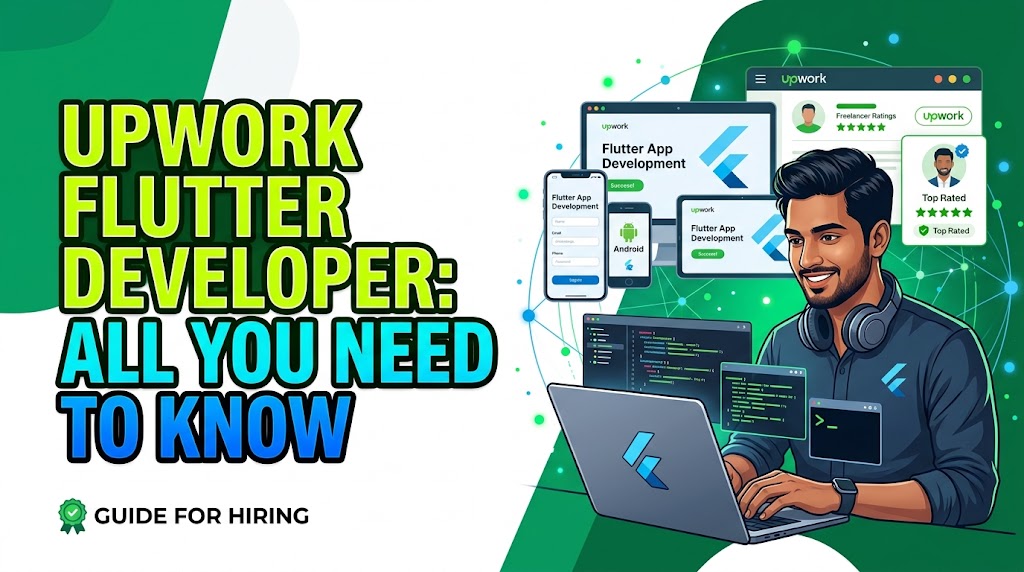
The costly and avoidable mistake most small business owners and executives continue to make and get burned by is the belief that hiring an Upwork Flutter developer is child’s play.
Some go so far as to suddenly decide to become the CEO, the genius solopreneur, the one who could do everything: code, design, market, all at once, and still somehow find time to meditate and meal prep, like all those productivity gurus promise.
Following that track is like becoming a walking corpse running on spite and caffeine. Because you won’t just feel burned and exhausted; you’ll hit your breaking point, and indeed, feel stupid.
And before you finally decide to hire the right Flutter app developer, you’ve already lost a lot in time, money, resources, and more. That’s not even the slow leaks you encounter in your business.
Here’s the thing nobody tells you when you’re building something from nothing: doing it all yourself isn’t a badge of honor. It’s a big gamble that’s not worth taking, especially when you have lots of Upwork Flutter developers who can do the job for you, and free you from a task you’ve been white-knuckling through for months.
Years back, when our agency was still new, a client contacted me to source a Flutter developer for him. I immediately logged into Upwork to find a Flutter developer; my friend, the bitter experience wasn’t sexy at all because it cost me far more than that client paid.
And take me for my words: after getting hurt twice, I decided to use all the ugly experience, or you call it bitter lessons learnt, during the first two hires to figure out how to go for the third.
Frankly, on the third attempt, this time with my money, it wasn’t the first person who sent me a proposal that I hired. That guy wanted $50 an hour and didn’t know the difference between a StatelessWidget and a state of emergency.
But the one I eventually found became the total game-changer.
I’m going to tell you exactly what that looked like, what I got wrong the first time, and what I wish someone had told me before I posted that first job listing. Because if you’re the one still awake at 2 AM wrestling with widgets and state management, I promise you, there’s a way out that doesn’t involve burning yourself down to the studs.
So, here’s the unvarnished, real-deal truth about outsourcing your Flutter app development. If you’re a founder, CTO, product manager, or solo dev who wants to learn the simple strategies for hiring a developer, this one’s for you.
Simply put, it’s a freelance developer who specializes in Flutter, Google’s open-source UI framework for building cross-platform apps, and lists their services on the Upwork platform.
The target keyword here is simple: an Upwork Flutter developer is your shortcut to building cross-platform apps without hiring a full agency.
These developers use a single codebase to create apps that work seamlessly on both iOS and Android. One codebase. Two app stores. Huge time savings.
I’m not talking about outsourcing to some faceless overseas agency. An Upwork Flutter developer is often a real person, just like you, who has decided that they prefer the freelance life. They’ve got the skills. They’ve got the experience. And they’re waiting for someone like you to stop trying to be a hero and ask for help.
Flutter developers write code using Dart (the programming language Flutter uses) to build user interfaces, integrate APIs, connect to Firebase, and handle all the backend magic that makes your app work. They can take your Figma designs and turn them into actual, functional apps.
From my experience, a solid Flutter developer does way more than just code. They can:
Here’s the reality you need to know. When I was in the thick of burnout, I kept asking myself, “Why can’t I just find someone reliable?”
The answer was that I wasn’t looking in the right place.
Founders don’t hire on Upwork because it’s trendy. They hire there because it solves a real problem: needing great technical skill without the six-figure commitment of a full-time engineer.
Upwork connects you with skilled Flutter developers instantly. You can post a job, review proposals, and interview a candidate within hours. Try doing that through traditional hiring channels and see how many months it takes you.
Businesses hire Flutter developers on Upwork because:
Let me cut the BS and give you the real answer. Yes. But only if you do it right.
I wasted money on two developers before I found the right one for my client. The first one ghosted me after taking the milestone. The second one wrote code that looked like it was generated by a sleepy intern. But the third one opened my eyes to the real hiring process, and eventually changed my business.
But that’s only a bit of the story. Here’s the part that also matters.
Think about what it actually costs to hire someone full-time: salary, benefits, onboarding, office equipment, the works.
Now think about what it costs to bring on a specialist for exactly the six weeks you need them. That gap is why so many smart founders quietly build their entire first product this way, without ever putting a single person on payroll.
One of the major advantages of hiring through Upwork is that it protects you. Upwork’s payment protection and dispute resolution are major safety nets.
Unlike a random freelancer on Twitter who might disappear with your money, Upwork has systems in place to make sure you don’t get totally screwed.
Another massive advantage is cost flexibility. You’ll find an Upwork Flutter developer hourly rate that fits almost any budget. Whether you’re looking for a $25/hour developer from Nigeria or a $150/hour specialist from the US, the platform has options.
And don’t sleep on the feedback system for the Upwork app developer. You can see exactly how previous clients rated them, the Job Success Score, and how much they’ve earned on the platform. It’s like Yelp for freelancers, and it’s surprisingly honest.
If you want to hire the right freelance developer on Upwork, you have to avoid the biggest headache by spending time vetting candidates. It is not as simple as just clicking a button and walking away.
Upwork will not tell you if a developer is genuinely good. They just connect you. You have to do the hard work of filtering out the pretenders yourself.
That’s not all; at times you will get ghosted by a developer who takes on too many clients. You always need a backup plan.
Besides, you’ll run into developers who over-promise and under-deliver. You’ll see proposals that say “Expert” when they should say “Started learning Flutter two months ago.” Upwork’s platform has developers from every corner of the world, which means you’ll need to do your own screening.
Plus, communication can be tricky if you’re working across time zones. I once had a developer who kept sending updates at 3 AM my time. Not ideal for collaboration.
Upwork shines for short-term Flutter projects or MVP development. When you need to validate an idea fast, you don’t want to spend months hiring a full-time employee. You want to get an MVP out the door in weeks, not months.
If you need a long-term, in-house team member, maybe look elsewhere. But for project-based work, it is unbeatable.
Upwork is the best choice for developers because it allows you to test the waters before making a massive commitment. You can hire someone for a small task and see if you click.
It’s also perfect when your internal team is overloaded. Instead of stressing your core engineers, you can outsource specific features or entire modules.
This is the part where I save you from making the mistakes I made. Listen carefully.
Finding the right person feels like dating. You have to kiss a lot of frogs before you find your prince.
But if you know what to look for, the process gets a whole lot easier. You just need a solid system.
Before you post a job, you need to know exactly what you are building. Write down every single feature you want in your app.
Do you need:
Think about the user journey from the moment they open the app. What screens do they see? What buttons do they click?
Figure out your timeline and your budget. If you go into this blindly, you will attract the wrong kind of talent.
One of the biggest mistakes founders make is being vague. “I want an app like Uber” is not enough. You need to specify features, platforms, and user flows.
Here’s my non-negotiable list:
Dart proficiency. This one’s obvious but worth saying. They need to know the language.
State management knowledge. This is the killer. A Flutter developer who doesn’t know Bloc, Provider, or Riverpod will write messy, unmaintainable code.
API integration experience. Most apps need to talk to REST APIs or GraphQL endpoints. Your developer needs to know how to handle network calls properly.
Firebase expertise. This is a big one. Many apps rely on Firebase for authentication, databases, and push notifications. A developer with Firebase experience is worth their weight in gold.
Experience with testing. You want someone who writes tests, not just code.
If they promise to build a massive app in two weeks, run away. No one can code a complex platform that fast without cutting corners.
If they have zero questions about your project, they do not care. They are just looking for a quick paycheck.
Also, watch out for generic proposals. If they clearly copy-pasted their pitch, they will copy-paste their code.
Pay attention to their grammar and attention to detail. If their proposal is full of typos, their code will be full of bugs.
This is where a lot of founders and business owners get it wrong. They skim the profile and click “hire.” That’s a bad move.
Do they have live apps in the App Store or Play Store? Download them and play with them.
Don’t just count the projects. Look at the actual code quality. If possible, ask for a link to a GitHub repo they’ve contributed to. Look at how they structure their code.
Do they have real-world projects? Have they built production apps that people actually use? A developer with 5 years of experience and nothing to show for it is a red flag.
Check if the apps they built are actually popular. High download numbers mean they know how to build scalable, stable products.
Ask them to explain their specific role in team projects. You need to know exactly what they coded versus what their team did.
Pay attention to their Job Success Score (JSS). Upwork uses this metric to show how satisfied previous clients were. A 4.9 or 5.0 with a high JSS is a good sign.
Also, look at their total earnings and hours logged. Someone who’s earned $100k+ on Upwork probably knows what they’re doing. They’ve been around the block.
Flutter-specific certifications exist, but they’re not the be-all-end-all. Google’s official certification carries some weight, but real-world experience matters more.
That said, check for FlutterFlow certification. Some developers specialize in FlutterFlow, which can speed up development for certain projects.
Of all these, real-world project experience is king. Do not hire someone just because they have a shiny badge.
Look at the technical assessments they have passed on the platform. Upwork’s built-in tests are a good baseline for core skills.
This million-dollar question always comes up. And the answer is… it depends. The freelance Flutter developer cost varies wildly based on experience and location.
You get what you pay for in this game. Cheap code ends up costing you double to fix later.
Here’s what you can expect:
Fixed-price projects range from $500 for a simple MVP feature to $20,000+ for a full-fledged production app.
Location matters. A developer in the US or UK charges significantly more than a developer in India or the Philippines.
Complexity of your app. A simple social media app costs less than a fintech app with payment processing and AI features.
Timeline. If you want it yesterday, expect to pay a premium.
I won’t mind saying this a thousand times: don’t just hire the cheapest developer. That’s the fastest way to waste money. Instead:
People always ask me which platform is better.
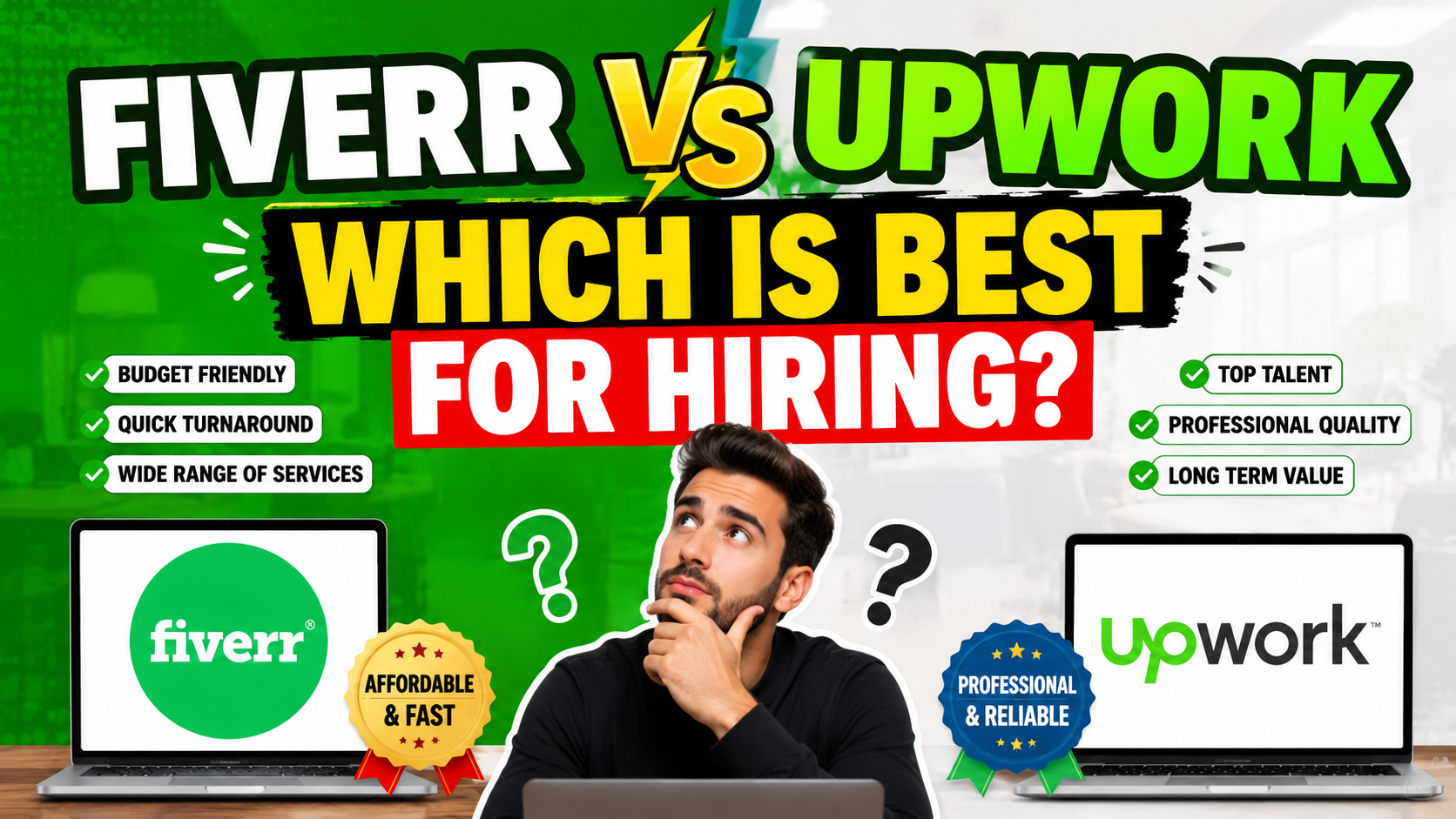
If you’ve looked at freelance platforms, you’ve probably wondered: Upwork or Fiverr?
The truth is, they serve very different purposes.
Fiverr is like a digital vending machine. Upwork is like hiring a dedicated business partner.
You need to choose the right tool for the specific job you are trying to do.
If you need a quick bug fix or a tiny UI tweak, Fiverr is fine. You can buy a pre-made gig and get it done fast.
But if you are building something from scratch, Fiverr will leave you high and dry. Cross-platform app developers on Upwork are much more reliable for serious work.
Fiverr is great for commoditized tasks. But custom app development requires a relationship, not a transaction.
Upwork wins this one hand down. You can build a long-term relationship with a freelancer.
You can also scale the relationship as your app grows. Fiverr is just not built for ongoing, complex development.
Upwork allows for hourly contracts and milestone tracking. These features are essential for managing a long-term project.
Use Upwork for serious app development. Use Fiverr for quick fixes and small tasks. That’s the rule of thumb.
Here’s what experienced freelance service buyers know that beginners don’t.
We all want to save money. But the cheapest developer is usually the cheapest for a reason.
You see someone offering $15/hour and think, “Wow, I can get this done for cheap!”
Here’s the cold, hard truth: cheap developers often cost you more in the long run.
They write code that’s hard to maintain. They introduce bugs that take hours to debug. They ghost you halfway through the project. I’ve been there. The cheapest bid cost me way more than the eventual developer I hired, because I had to clean up a mess.
I once hired a developer who barely spoke English. The guy was technically brilliant but couldn’t explain anything. Every update was a mystery. Every bug report turned into a guessing game.
Pay close attention to how they reply to your messages. If they are slow or vague during the interview, they will be worse during the project.
You can hire the best coder in the world. But if they disappear for three days at a time, you are in trouble.
Good communication prevents massive misunderstandings. You need someone who proactively updates you on their progress.
Here’s a hard rule I live by now: Never hire for a full project without a small paid test task.
Also, never pay for the whole project upfront. Break it into milestones so you can verify the work as you go.
Personally, I’ll ask them to build a simple screen from a Figma design. Something that should take 2-4 hours. If they nail it, we move forward. If they don’t, I dodged a bullet.
Once you hire them, the real work begins. You need to manage the relationship just as carefully as you managed the hiring process.
Set the tone early. Be professional, clear, and respectful.
Treat them like a partner, not a subordinate. Happy developers write better code.
Don’t just say, “Build the app.” Break it down. “Build the login screen.” “Implement API integration.” “Create the dashboard.”
Milestones keep you and the developer accountable. They also make sure you’re not paying for work that doesn’t meet your expectations.
Keep all your communication inside the Upwork messenger. This protects you if there is ever a dispute.
Use the time tracker if you are paying hourly. It takes screenshots and tracks activity to keep everyone honest.
Use the file sharing features to exchange design assets. Keeping everything in one place prevents lost files and confusion.
Don’t wait until the end of the project to give feedback. That’s a recipe for disaster.
Schedule weekly check-ins. Review the code regularly. Give clear, actionable feedback. The more you communicate, the better the final product.
You’ve to be very specific when writing a job post for an Upwork Flutter developer. The more information you provide the freelance developer, the better the proposals you’ll receive.
Include your budget range. This helps filter out candidates who are outside your price range.
Highlight your timeline. Need it done in two weeks? Be upfront about it.
List the required technologies. Flutter, Firebase, API integration, state management—specify it all.
Need a Flutter Developer for Cross-Platform MVP? Here’s how to write a job description.
We’re a small team building a health and fitness app. We need an experienced Upwork Flutter
developer to build a cross-platform fitness tracking app with user authentication, real-time data syncing, and push notifications.
Requirements:
Budget: $2,000–$5,000 (fixed price)
Timeline: 4 weeks
Please include examples of apps you’ve built in your proposal.
As you can see, the description is short, specific, and it filters out anyone not actually qualified to bid.
Here’s the truth that took me a long time to learn.
Believing that any Flutter developer on Upwork is a specialist is a simple way to set yourself up for failure. Been there, even tried that myself, wrecked my mental health in the process, and almost ruined my relationship with a new client.
When I finally hired my third Upwork Flutter developer, everything changed, and the lesson I learnt still guides me through hiring freelancers for my clients.
So, here’s my challenge to you: Stop handing over your project to anyone you see online, including on Upwork.
After reading this far, start looking for a solid Upwork Flutter developer. Create a well-written job post as shown above. Vet candidates carefully. Start with a small milestone. And then let someone else carry the weight.
Let us tackle some of the most common questions I get asked.
I get these questions all the time from stressed-out founders and small business owners alike. Let’s clear the air.
Use Upwork’s advanced filters. Filter by “Expert” vetted talent, high job success scores, and relevant portfolio items.
Look for the “Top Rated Plus” badge. These devs have a proven track record of handling large, successful contracts.
Read their recent reviews to ensure they are still performing well. Past performance is the best indicator of future success.
Yes, that is the entire magic of Flutter! They write one codebase and compile it for both platforms.
This is exactly why you want to hire a cross-platform mobile developer. It saves you a massive amount of time and money.
You get two apps for the price of one. The code sharing between platforms is incredibly efficient.
A simple MVP might take four to eight weeks. A complex app with custom animations and backend integrations can take three to six months.
Always add a 20% buffer to your timeline. Bugs and scope creep happen to everyone.
Do not rush the developer. Rushed code is buggy code, and you will just end up delaying the launch anyway.
Freelancers are cheaper and more flexible. Agencies are more expensive but offer a full team of designers and QA testers.
If you are building an MVP with Flutter on a budget, hire a freelancer. If you are an enterprise building a massive app, hire an agency.
Freelancers give you direct access to the person writing the code. Agencies add a layer of project management in between.
Yes, as long as you use their payment protection. Never pay outside of the Upwork platform.
If you keep everything on the platform, your money is protected by escrow. It is incredibly safe if you follow the rules.
Upwork also has a dispute resolution team. If things go south, they will step in and mediate the situation.